Separate the sizing decisions
Define the base size, measurement chart, size range, and quantity by color.
Children’s wear development and production · Services
Turn children’s wear designs into production specifications you can review by size. Based in Huzhou, Zhejiang, China, Guohesky connects specification review, sampling, production management, and export for dresses, coordinated sets, and children’s outerwear.
Updated:
Separate the sizing decisions
Define the base size, measurement chart, size range, and quantity by color.
Specify the visible details
Review embroidery, ruffles, tulle, and trim placement in the sample.
New brands can inquire
An unfinished Tech Pack is enough to start discussing a product and its commercial production plan.
We assess dresses, coordinated sets, trousers, cut-and-sew tops, capes, and quilted or plush outerwear according to their materials and construction. The images illustrate appearance and details; they are not a catalog of identical items available from stock.
New labels, designer brands, and online brands can inquire. If you have only reference images, separate the shape you want to retain, details you want to change, and planned sizes and quantities. Our service is for commercial production projects, not personal single-piece orders or print-on-demand.

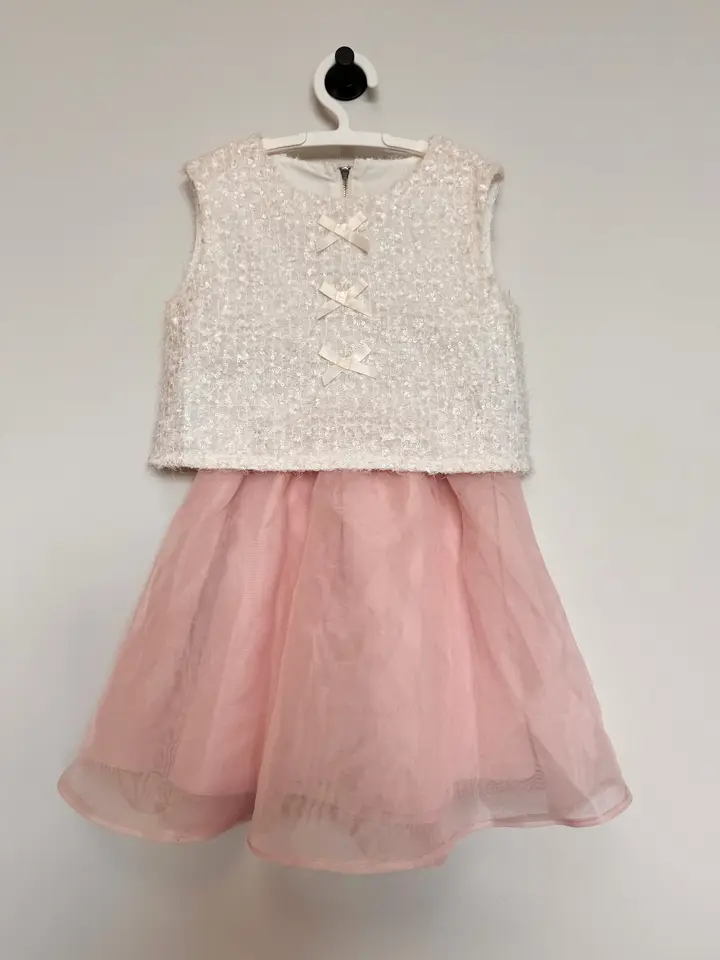
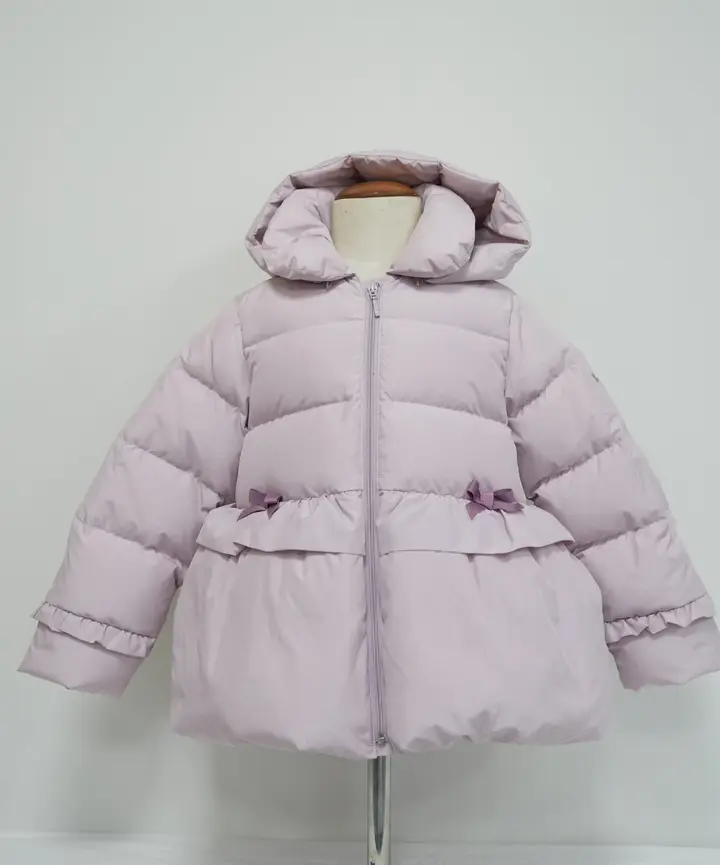
These are product examples. Materials, specifications and quantities for a new project are reviewed individually.
A size name does not define the finished garment measurements. Identify the intended height or age range, base size, measurement methods for points such as chest width and body length, and the differences between sizes. A coordinated set needs separate measurement charts for the top and bottom.
Split quantities by style, color, and size. The table below is a format to fill in: replace sizes A–C with your actual sizes and enter the planned units. It does not prescribe a size range or a minimum order.
Scroll horizontally to view the full table
| Style / color | Size A | Size B | Size C | Color total |
|---|---|---|---|---|
| Dress / color 1 | Planned units | Planned units | Planned units | Row total |
| Dress / color 2 | Planned units | Planned units | Planned units | Row total |
| Coordinated set / color 1 | Planned sets | Planned sets | Planned sets | Row total |
For children’s wear, include the skin-facing finish and how the garment is put on and taken off alongside the appearance. Define these requirements for the product before ordering production materials with important details still unresolved.
Define what each sample round is meant to resolve: silhouette, movement when worn, decoration placement, or material combinations. If substitute materials are used, record the details that still need review in the production materials.
For a size range, discuss which additional sizes need checking separately from base-size approval. Align the final measurement chart, materials, colors, revision comments, and approved sample version. Identify open approvals and the conditions for starting bulk production.
The same total quantity can involve different material and trim conditions when split across more styles, colors, or sizes. For coordinated sets, distinguish the number of sets from the number of tops and bottoms to be made. MOQ, unit price, and timing are assessed for the project after specification review.
If the budget or first-order quantity is limited, identify the priority styles and colors and the specifications you can change. Shared fabrics or trims may be worth discussing, but their suitability depends on material conditions and the production scope.
Use the approved sample and specifications to define checks for measurements, sewing, decoration placement, trim attachment, labels, color/size quantities, and set matching. Agree the review scope, method, records, and who decides how to handle a discrepancy for the project.
If your sales channel requires tests or particular documents, share those requirements with the inquiry so the necessary review and coordination can be included in the quotation. This does not imply a universal testing program or certification for every product.
Provide the intended age or height together with a base size, measurement points, values, tolerances and size range. The same size name can describe different finished measurements. Check tops and bottoms separately for sets, and keep the planned quantity split distinct from the measurement chart.
Review materials, styles, colors, size allocation, trims, processes and production timing. Send quantities per style, color and size, together with flexible requirements, rather than relying on the total alone. Gallery photographs are not a ready-stock catalog or a promise of fixed production conditions.
Identify shape, material, dimensions, placement and attachment method, then review the intended age and use. Agree required checks and applicable requirements before production. A photograph of the appearance cannot establish safety or compliance with a particular standard.
Review measurement differences and fit balance across sizes. Do not assume sleeves, chest and garment length all change at one ratio. Record the grading rules from the base size, and discuss which sizes need a physical review for the product and intended wearer.
You can start an inquiry with the shape to retain, changes, target sizes, material preferences and quantities. Mark hidden finishing, thickness, stretch and internal materials as open questions. Decide which details need a garment, additional documentation or a sample to verify.
Align the approved sample, size measurements, materials, trims, decoration placement, quantity allocation, labels, packing and inspection conditions. Keep current files together and identify open decisions and approvers. A later material or trim change should also trigger a review of label and inspection requirements.
Share product images and the planned sizes, colors, and quantities. Leave undecided details open; we can start with the questions needed for sampling and quotation.
Quantity, timing, and the working approach are confirmed after reviewing the product and project conditions.
Discuss a Quote or Specifications→