Specify materials separately
Give the shell, lining, filling, and trims their own specifications.
Outerwear development and production · Services
Define the shell, lining, and filling—not just the outerwear silhouette—before sampling. Guohesky in Huzhou, Zhejiang, China assesses children’s, men’s, and women’s outerwear projects and connects development with production management and export.
Updated:
Specify materials separately
Give the shell, lining, filling, and trims their own specifications.
Review construction in samples
Check wearing ease, quilting, hoods, and pocket details.
Plan around the launch
Assess materials, approvals, production, inspection, and transport as separate stages.
Projects can include padded or down jackets, quilted jackets, vests, and hooded casual outerwear, subject to material and construction review. We assess children’s, men’s, and women’s designs against their specifications and required production processes.
New labels and designer brands can inquire with a commercial production plan. Go beyond “autumn/winter” or “a puffy look”: share the wearing situation, expected layering, and intended silhouette. Reference images help start the discussion but do not establish internal construction or performance. Personal single-piece orders and print-on-demand are outside the service scope.
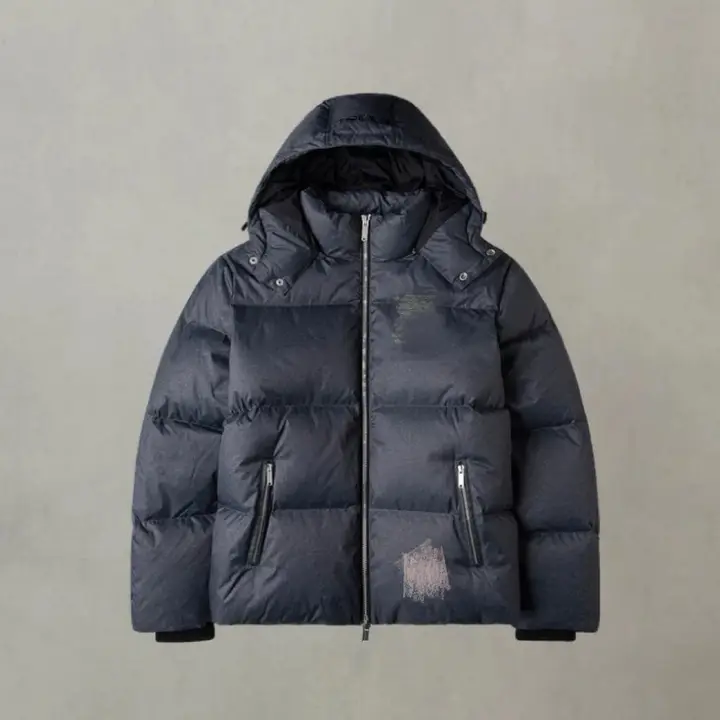
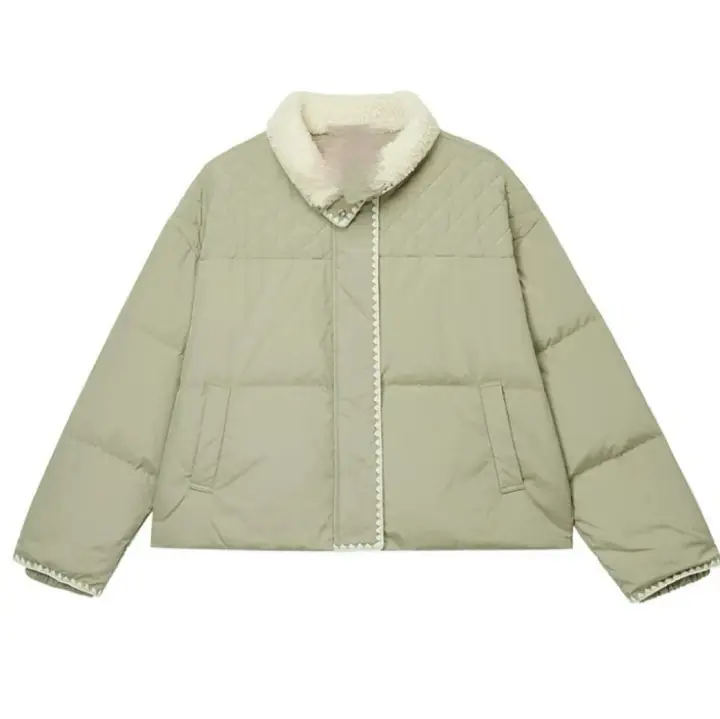
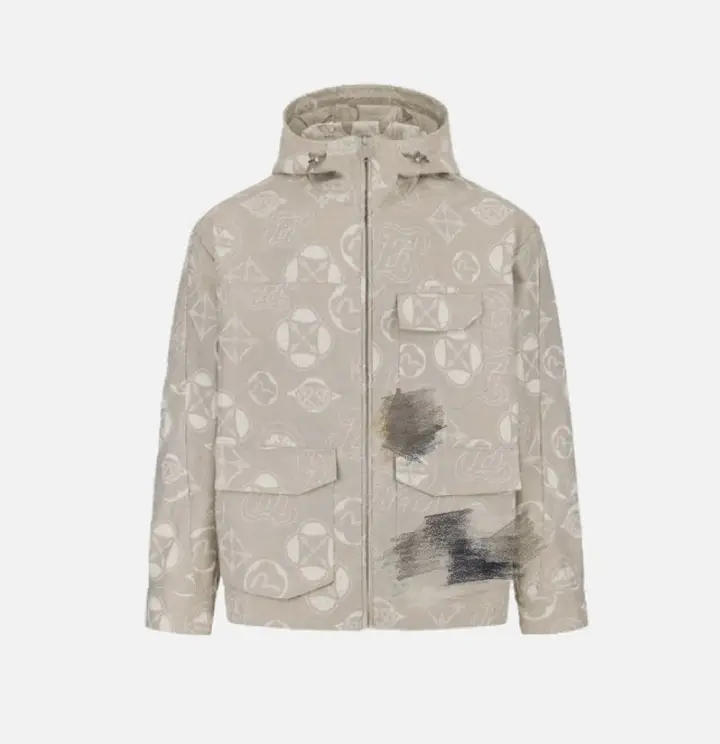
These are product examples. Materials, specifications and quantities for a new project are reviewed individually.
A down-jacket appearance is not the same as a down-filled specification. Do not infer the filling from a photograph or style name. First state whether you want padding, down, or help deciding. If materials are still open, begin with the appearance and wearing conditions you want.
The table is a specification checklist, not a promise of particular materials, performance, or certification. Share required performance or testing conditions before materials are selected.
Scroll horizontally to view the full table
| Material group | Information to share | Sample review points |
|---|---|---|
| Shell | Composition, thickness, hand feel, color, and requested finish | Appearance, stitching, and interaction with quilting |
| Lining | Material, color, slipperiness, and placement | Dressing access, internal ease, and seams |
| Padding | Material, specified thickness or weight, and placement | Loft, balance between panels, and how it is secured |
| Down | Requested composition and blend, fill weight, and required documents | Compartment layout, filling placement, and finish in specified materials |
| Trims | Zippers, snaps, cords, and labels | Operation, attachment positions, and compatibility with materials |
A similar silhouette can look and feel different when quilting lines, panels, hood depth, or pocket placement change. Annotate an image or add positions and measurements to the Tech Pack so priority details are clear.
Define what the sample must resolve. When fit-sample materials differ from production materials, separate what can be approved now from what needs another review. If the filling specification changes, include appearance and wearing feel in the review again.
Before bulk production, align the final measurements, material list, colors, quilting and sewing instructions, trims, labels, and packing with the approved sample version. Review the sourcing, cost, and schedule effects of later changes before applying them.
MOQ and price depend on styles, colors, sizes, material purchasing conditions, filling, trims, and production operations. If several colors are planned, provide each color’s breakdown rather than only the total order quantity. Small-run feasibility is assessed on that basis.
Alongside the preferred delivery date, share the launch date, need for photography samples, and non-negotiable deadlines. Material approval and sourcing, sample revisions and sign-off, production, inspection, and transport are assessed separately. We do not apply one fixed production timeline to all outerwear.
Once materials and specifications are aligned, define checks for measurements, left/right balance, quilting, sewing, zippers, pockets, labels, quantities, and packing. For requirements that cannot be assessed visually, discuss whether another review method or documentation is needed.
Agree scope, checkpoints, records, discrepancy reporting, and reinspection for the project. Waterproofness, thermal performance figures, or compliance with a particular standard cannot be promised from appearance photographs or a general outerwear service description. State any required conditions in advance.
Appearance cannot prove filling type, composition, quantity or performance. Specify the shell, lining, filling and trims separately, with material information and verification methods. Gallery photographs are references for shape and visible quilting, not evidence of internal materials.
Share images or a Tech Pack, shell, lining and filling requirements, measurements and quantities by size, colors, market and target dates. Identify essential quilting, hood, pocket, zipper, label and packing requirements to establish the material and process scope.
Review layering ease, arm movement, cuffs, hem, hood and pocket placement. Quilting spacing and material layers also affect the silhouette. If substitute materials are used, record the parts that will change in production and clarify what the sample can establish about fit and feel.
Category names alone do not establish equivalent conditions. Review material purchasing units, colors, filling and processing, trims, style and size mix, and production timing. Provide quantities and flexible specifications for the new garment so its own conditions can be assessed.
Separate photography-sample, factory-dispatch, warehouse-arrival and launch dates. Material approval and purchasing, sample revisions, production, inspection and transport each have starting conditions. Identify fixed deadlines and open decisions early, including buyer approval time in the feasibility review.
Review label content and placement, hangtags, individual packing, cartons and receiving requirements alongside material and specification approval. A filling or lining change can require label information and supporting evidence to be checked again. Define whether agreed label and packing conditions are included in the inspection scope as well as appearance.
Tell us whether the filling is padding, down, or undecided, along with quantities, market, and preferred delivery timing. We can identify the questions to resolve even if the shell and lining are still open.
Quantity, timing, and the working approach are confirmed after reviewing the product and project conditions.
Discuss a Quote or Specifications→